The earliest phase of enterprise cloud adoption was often driven by one objective: move quickly. Organizations shifted applications from traditional infrastructure into public cloud platforms with expectations of lower cost, greater scalability, increased flexibility, and faster delivery.
Experience has shown that migration alone does not guarantee those outcomes. Cloud adoption and cloud optimization are separate capabilities. When workloads are relocated without reconsidering architecture, utilization, licensing, operating practices, automation, and business value, organizations may simply transfer existing inefficiencies into a more dynamic infrastructure model.
Sustainable cloud economics depend on placing each workload in an environment that reflects its architecture, utilization pattern, business importance, security needs, operating model, and long-term technology direction.
Part I: Why Lift-and-Shift Can Undermine Cloud Economics
Lift-and-shift typically means relocating an application to cloud infrastructure while making relatively few architectural changes. This can simplify initial migration and reduce the amount of transformation required before a workload moves.
The limitation is that many traditional applications were designed for infrastructure models built around reserved hardware capacity, static provisioning, predictable resource allocation, and long replacement cycles. Public cloud platforms are based on very different assumptions, including variable consumption, elastic services, automation, managed capabilities, and continually changing pricing models.
Three Common Sources of Weak Cloud ROI
Several structural problems frequently reduce the financial and operational benefits expected from cloud migration:
- Excess capacity: Copying existing server specifications directly into a cloud platform can leave organizations purchasing more processing, memory, storage, or database capacity than actual workload demand requires.
- Software licensing exposure: Enterprise application and database licensing can behave differently across physical infrastructure, virtualization, private cloud, and public cloud environments. Licensing implications should therefore be evaluated alongside infrastructure economics.
- Operating-model gaps: Cloud environments are easier to control when organizations develop capabilities such as FinOps, infrastructure-as-code, automated policy, observability, platform engineering, and reliability management. Without these practices, cost and operational complexity may continue to rise.
Part II: A Workload-Based Cloud Rationalization Model
A stronger cloud strategy starts with a different question. Instead of asking how quickly an application can be migrated, organizations should ask: what operating environment best fits this workload over its remaining lifecycle?
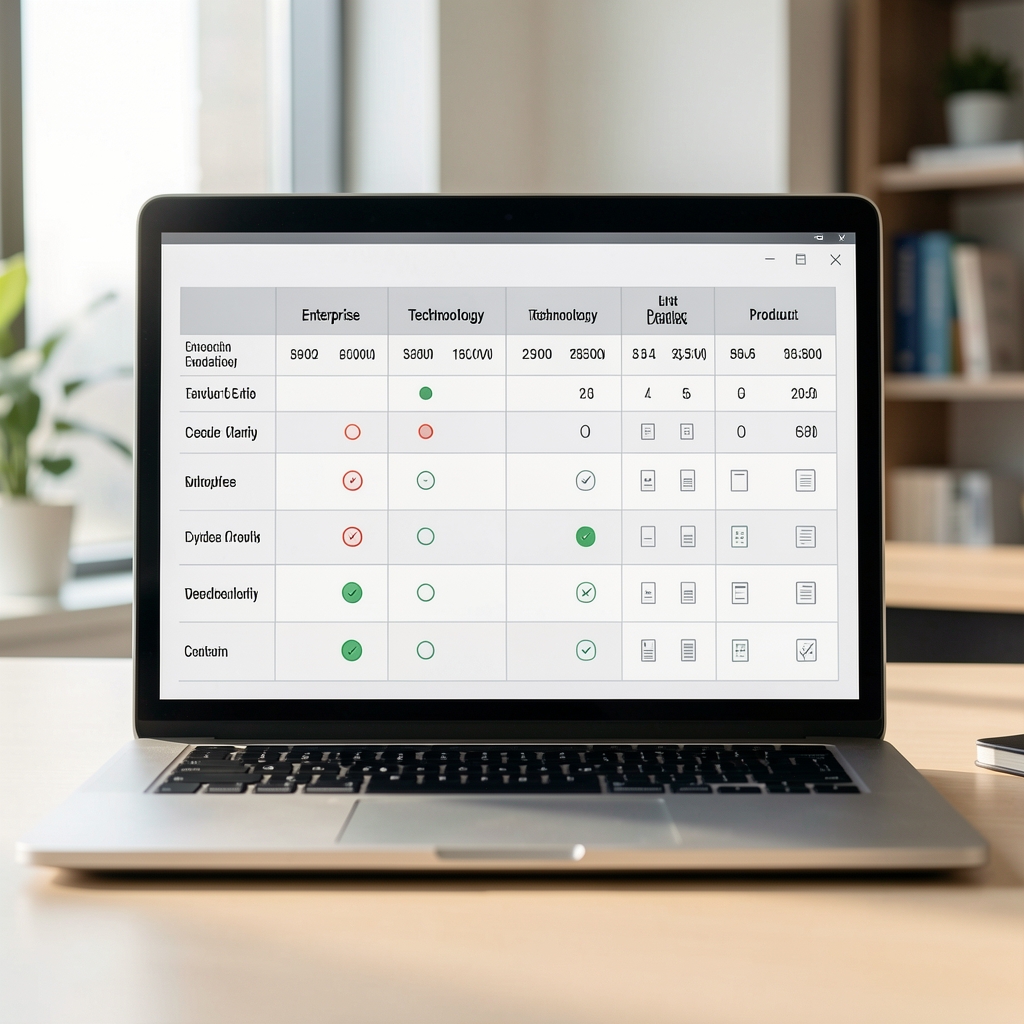
Global VLAN recommends evaluating applications across factors such as business importance, architecture, lifecycle stage, performance requirements, security, regulatory constraints, integration dependencies, operating cost, modernization potential, and strategic importance before deciding where workloads should run.
| Disposition | Approach | Common Candidate |
|---|---|---|
| Rebuild / Cloud-Native | Redesign around modern managed and cloud-native services | Strategic digital platforms, rapidly scaling products, analytics systems, and high-change applications |
| Refactor / Optimize | Modify an existing application to improve efficiency, scalability, or operational simplicity | Actively maintained applications with material modernization potential |
| Rehost | Relocate with limited redesign while right-sizing infrastructure and improving basic operations | Stable applications where infrastructure must change but extensive redesign is not currently justified |
| Retain | Continue operating in the current environment until a future lifecycle or business trigger | Specialized, latency-sensitive, heavily regulated, hardware-dependent, or short-life workloads |
| Replace / Retire | Remove an application or replace it with a more appropriate capability | Duplicate, obsolete, underused, unsupported, or strategically unnecessary systems |
Part III: Creating a Credible Rationalization Business Case
Cloud rationalization should be supported by a financial and operational business case that reflects both potential savings and the investment required to achieve them. Optimization programs become less credible when they are positioned only as immediate infrastructure cost reductions.
A more useful model compares multiple levels of intervention:
- Foundation scenario: Focus on removing unused resources, reducing oversized capacity, improving storage policies, reviewing commitments, and retiring workloads with limited business value.
- Optimization scenario: Combine infrastructure efficiency measures with selective application refactoring, database optimization, automation, managed services, and architectural improvements.
- Transformation scenario: Redesign strategically important workloads around modern architecture, managed platforms, automation, improved engineering practices, and redesigned operating models.
Practical Observation: Early cost and utilization improvements can create momentum for broader modernization. Removing idle resources, reducing unnecessary capacity, simplifying storage, and retiring redundant applications can generate visible results while more complex transformation work is being planned.
Part IV: Turning Cloud Optimization Into an Operating Discipline
Rationalization should not end when a migration or optimization initiative closes. Cloud platforms change continuously. Consumption patterns evolve, new service options appear, vendor pricing changes, applications grow or decline, and business priorities shift.
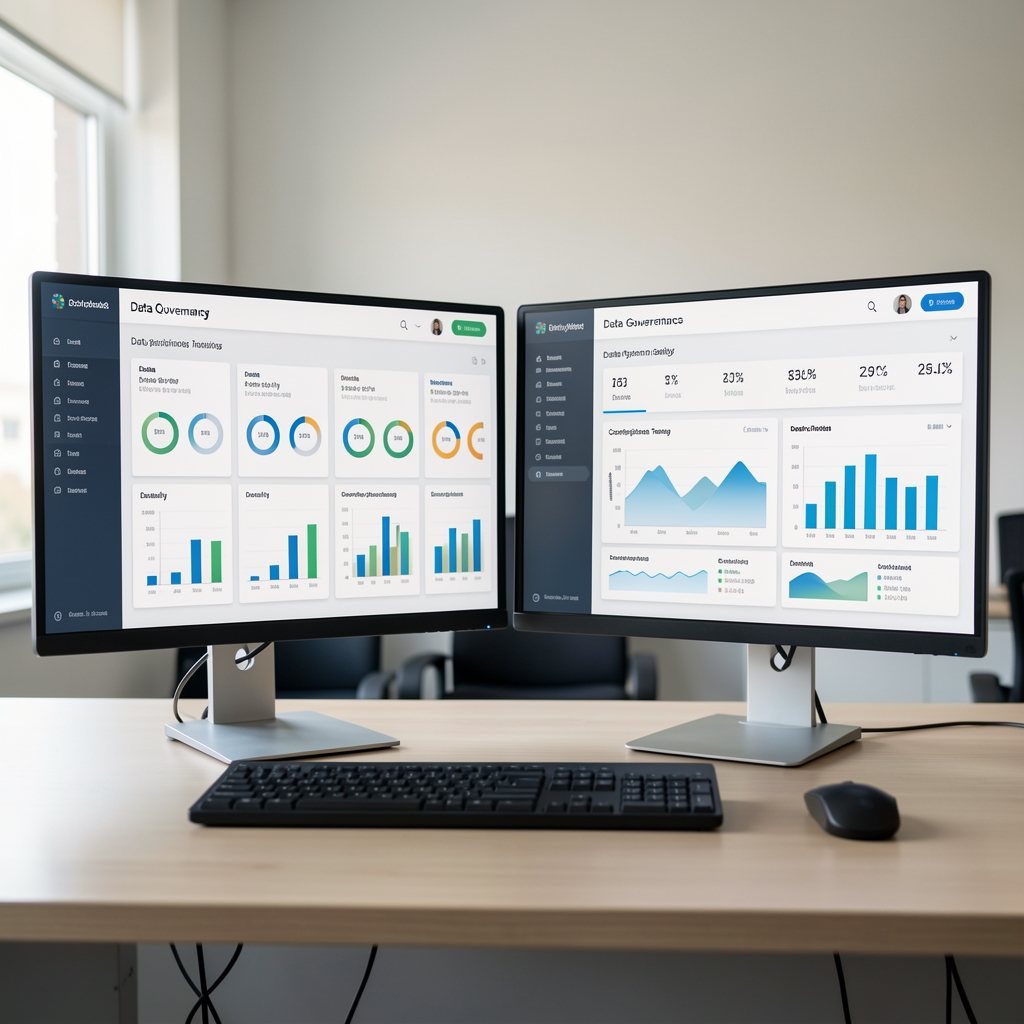
Organizations therefore need clear accountability across cloud economics, architecture, security, procurement, and operational performance. A mature cloud governance or FinOps model can connect technology, finance, procurement, product, and business stakeholders around common decisions.
Recurring reviews can examine resource utilization, reservations and commitments, licensing exposure, storage patterns, data-transfer charges, managed-service adoption, architectural changes, resilience requirements, and whether workloads still belong in their current hosting environment.
Conclusion: Cloud Strategy Continues After Migration
The organizations that create durable value from cloud are not necessarily those that migrate workloads fastest. Long-term value comes from building the capability to repeatedly evaluate, optimize, govern, modernize, and where necessary relocate workloads as business and technology conditions change.
Cloud strategy should therefore evolve beyond a migration program into an ongoing portfolio-management discipline. The objective is not simply to move applications into public cloud infrastructure. It is to ensure that each workload operates in an environment that supports appropriate cost, resilience, security, performance, scalability, operational simplicity, and business value.